

Top Tips for Effective Dog Training: Mastering Your Dog’s Behavior
Training a dog can feel like a daunting task. You want your furry friend to behave well, listen to commands, and be a joy to be around. But where do you start? How do you make sure your efforts lead to real, lasting change? I’ve been there, and I know the frustration of trying to fix behavioral issues without clear guidance. That’s why I’m sharing my top tips for effective dog training - practical, straightforward advice that works.
Training isn’t just about teaching tricks. It’s about building a strong bond and clear communication with your dog. When you get this right, everything else falls into place. Let’s dive into the best ways to train your dog effectively and enjoy the process along the way.
Why Effective Dog Training Tips Matter
Effective dog training tips are more than just helpful hints. They are the foundation for creating a well-behaved, happy dog. Without the right approach, training can become frustrating for both you and your dog. You might find yourself repeating commands, feeling ignored, or dealing with unwanted behaviors that just won’t go away.
Here’s why focusing on effective dog training tips is crucial:
Consistency is key: Dogs thrive on routine and clear expectations. When you apply consistent training methods, your dog understands what you want.
Positive reinforcement works best: Rewarding good behavior encourages your dog to repeat it. Punishment often leads to fear or confusion.
Short, frequent sessions win: Dogs have limited attention spans. Training in short bursts keeps them engaged and eager to learn.
Clear communication builds trust: Using simple commands and body language helps your dog know exactly what you expect.
By following these principles, you set yourself and your dog up for success. You’ll see faster progress and fewer setbacks.
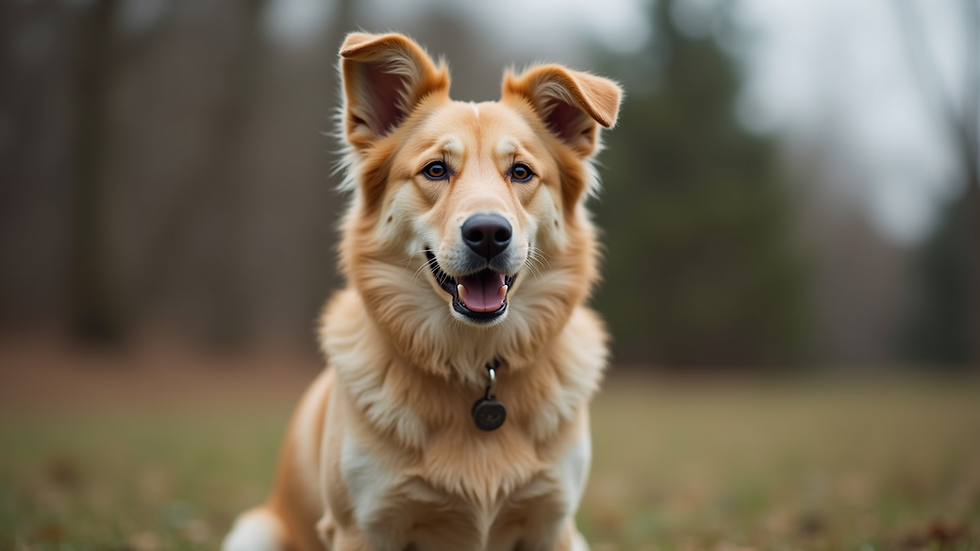
My Top Effective Dog Training Tips You Can Use Today
Let’s get practical. Here are the most effective dog training tips I’ve learned through experience and research. These tips will help you tackle common behavioral issues and build a strong foundation for your dog’s training.
1. Start with Basic Commands
Begin with simple commands like “sit,” “stay,” “come,” and “down.” These are the building blocks for more advanced training. Use treats or toys as rewards when your dog follows the command correctly. Keep your tone upbeat and encouraging.
2. Be Consistent with Commands and Rewards
Use the same words and gestures every time you give a command. If you say “sit” one day and “sit down” the next, your dog will get confused. Also, reward immediately after the correct behavior so your dog connects the action with the reward.
3. Keep Training Sessions Short and Fun
Aim for 5-10 minute sessions, two to three times a day. Dogs get bored or distracted if sessions are too long. End each session on a positive note, even if progress is slow.
4. Use Positive Reinforcement Only
Avoid yelling or physical punishment. Instead, reward good behavior with treats, praise, or playtime. This builds trust and encourages your dog to repeat the behavior.
5. Manage Your Dog’s Environment
Remove distractions during training. If your dog is easily distracted by other animals or noises, start training in a quiet room. Gradually increase distractions as your dog improves.
6. Be Patient and Stay Calm
Training takes time. If your dog doesn’t get it right away, don’t get frustrated. Stay calm and keep practicing. Your dog can sense your emotions, so patience helps them feel safe and confident.
7. Socialize Your Dog Early and Often
Expose your dog to different people, places, and other dogs. This reduces fear and aggression. Socialization is a key part of effective training and helps your dog behave well in various situations.
8. Use a Crate for Training and Safety
A crate can be a safe space for your dog and a useful training tool. It helps with housebreaking and prevents destructive behavior when you’re not around.
9. Address Behavioral Issues Immediately
Don’t ignore problems like barking, chewing, or jumping. Address them early with consistent training. The longer you wait, the harder they become to fix.
10. Keep Learning and Adjusting
Every dog is different. What works for one might not work for another. Keep learning about dog behavior and training techniques. Adjust your approach based on your dog’s personality and progress.
Who has the best dog training videos on YouTube?
If you’re like me, sometimes you need a visual guide to really understand how to train your dog. Watching professionals demonstrate techniques can make a huge difference. There are plenty of dog training videos out there, but which ones are truly helpful?
I recommend looking for videos that:
Show clear, step-by-step instructions
Use positive reinforcement methods
Feature real dogs with common behavioral issues
Are created by certified trainers or reputable dog behaviorists
One great way to find quality content is by searching for dog training videos that match these criteria. Watching these videos can give you new ideas and boost your confidence in training your dog.
How to Handle Common Behavioral Issues Effectively
Behavioral problems can be frustrating, but they’re often a sign that your dog needs clearer guidance or more mental stimulation. Here’s how to handle some of the most common issues:
Barking Excessively
Dogs bark to communicate. If your dog barks too much, figure out the cause. Is it boredom, fear, or attention-seeking? Use commands like “quiet” and reward silence. Provide plenty of exercise and mental challenges to reduce boredom.
Pulling on the Leash
Leash pulling is a common problem. Teach your dog to walk beside you using treats and praise. Stop walking when your dog pulls and resume only when the leash is slack. This teaches your dog that pulling doesn’t get them where they want to go.
Jumping on People
Jumping is often a way for dogs to greet. Teach your dog to sit when meeting people. Reward calm behavior and ignore jumping. Consistency from everyone who interacts with your dog is essential.
Chewing on Furniture or Shoes
Provide plenty of chew toys and redirect your dog when they start chewing on inappropriate items. Praise them when they chew the right things. Keep tempting items out of reach.
Separation Anxiety
If your dog gets anxious when left alone, start with short absences and gradually increase the time. Leave toys or puzzles to keep them occupied. Avoid making a big deal when you leave or return.
Building a Strong Human-Canine Relationship
Training is not just about obedience. It’s about building a relationship based on trust and respect. When your dog trusts you, they want to listen and please you. Here’s how to strengthen that bond:
Spend quality time together daily
Use training as a fun game, not a chore
Pay attention to your dog’s body language and needs
Be consistent but flexible in your approach
Celebrate small victories and progress
Remember, your dog is not just a pet - they are a loyal companion. Effective training helps both of you enjoy life together more fully.
Training your dog doesn’t have to be overwhelming. With the right tips and a positive mindset, you can see real changes quickly. Keep your sessions short, stay consistent, and always reward good behavior. If you ever feel stuck, don’t hesitate to seek out professional advice or watch helpful dog training videos to refresh your approach.
Your dog is capable of amazing things. With patience and the right guidance, you’ll unlock their full potential and enjoy a happier, healthier relationship for years to come.


Comments